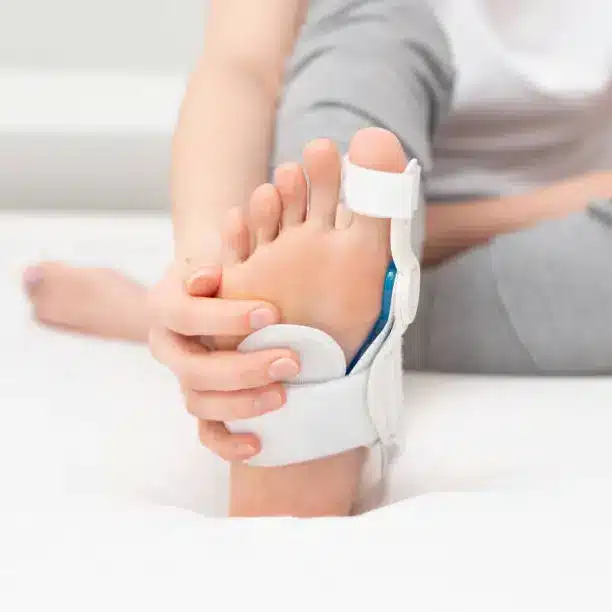
Bunion pain can make walking, wearing shoes, and commuting around New York City uncomfortable. If wider shoes and other treatments no longer help, surgery may be worth considering. At Best Foot Doctor NY, patients can explore bunion surgery options in NYC based on their needs. This guide explains surgical techniques, recovery, and costs. Schedule a consultation to discuss your symptoms and learn which treatment may be right for you.
When Should You Consider Bunion Surgery?
A bunion, medically called hallux valgus, develops when the big toe shifts toward the smaller toes, creating a bump at its base.
A bunion doctor may recommend surgery when:
- Pain makes walking or standing difficult.
- Regular shoes cause pressure and discomfort.
- Toe stiffness affects daily movement.
- Wider footwear, padding, or custom orthotics no longer provide enough relief.
Bunion surgery focuses on improving foot alignment and function rather than appearance alone. Persistent pain, limited movement, and difficulty finding comfortable shoes are common reasons to consider seeing a bunion surgeon.
What Are the Different Types of Bunion Surgery in NYC?
The right procedure depends on the severity of the bunion, joint condition, and foot structure.
Traditional Bunion Surgery
Traditional bunion removal surgery, or bunionectomy, involves an incision near the big toe joint. During a bunionectomy, the surgeon may remove the bony prominence and correct the position of the big toe. If the bones need realignment, the surgeon may perform an osteotomy, which involves cutting and repositioning the bone. Small screws or plates may hold the correction in place during healing.
Simply shaving the bump does not usually correct the underlying problem.
Minimally Invasive Bunion Surgery
Minimally invasive bunion surgery uses small incisions and specialized instruments to reach the affected bones. The surgeon may make carefully planned bone cuts, reposition the first metatarsal, and secure the corrected alignment with screws. Smaller incisions may reduce scarring and soft-tissue disruption, although recovery depends on the procedure and patient.
What Is Lapiplasty Bunion Surgery, and How Is It Different?
Lapiplasty bunion surgery uses a specialized system to correct bunion alignment in three dimensions.
It is based on the Lapidus procedure, which stabilizes and fuses the joint between the first metatarsal and a midfoot bone. Plates and screws hold the correction while the bones heal.
During Lapiplasty, the surgeon uses specialized instruments to reposition the first metatarsal bone in three dimensions. The surgeon then prepares the joint between the first metatarsal and the medial cuneiform, a bone in the middle of the foot, for fusion. Plates and screws stabilize the corrected position while the bones heal. This differs from procedures that primarily correct alignment by making cuts farther forward in the foot.
The appropriate technique depends on joint stability, deformity severity, and individual anatomy. Learn more about the Lapiplasty procedure.
What Happens During Bunion Surgery?
Your bunion surgeon begins with a physical examination, a review of your medical history, and usually weight-bearing X-rays to assess bone alignment.
During surgery, the surgeon makes one or more incisions, the location and size of which depend on the procedure. They may remove part of the bony bump, cut and reposition the first metatarsal, or adjust tight ligaments and tendons. Small screws or plates may hold the corrected bones in place while they heal.
Most procedures are outpatient, meaning you can usually go home the same day. Your doctor provides wound-care instructions and schedules follow-up appointments to monitor healing.
How Long Does Bunion Surgery Recovery Take?
Bunion surgery recovery varies depending on the procedure, overall health, and how the bones heal.
The First Few Weeks
Swelling, soreness, and limited movement are common. Your surgeon may recommend:
- Elevating your foot and following pain-management instructions.
- Keeping surgical dressings clean and dry.
- Wearing a protective shoe, boot, or cast.
- Using crutches or limiting weight-bearing when required.
Some procedures allow early protected walking, while others require several weeks of non-weight-bearing.
Returning to Daily Activities
Some patients return to light activities within a few weeks, while wearing regular shoes and returning to exercise may take several weeks or months. More complex procedures can require longer recovery.
NYC patients should also consider subway stairs, long walks, and jobs requiring prolonged standing when planning their return to work.
The American Academy of Orthopaedic Surgeons’ bunion surgery recovery recommendations explain that swelling may continue for several months. Your surgeon will advise when it’s appropriate to resume walking, driving, working, and exercising based on your healing progress.
How Much Does Bunion Surgery Cost in NYC?
Bunion surgery cost depends on the procedure, surgeon’s fees, anesthesia, surgical facility, and follow-up care.
Insurance or Medicare may cover medically necessary bunion surgery, depending on your benefits, deductibles, and coverage requirements.
Best Foot Doctor NY accepts many major insurance plans and offers payment options, including Cherry financing and CareCredit where applicable. Financing is subject to eligibility and approval.
Before scheduling surgery, request a personalized cost estimate and confirm your insurance benefits.
How to Choose the Right Bunion Surgeon in NYC
Choose a bunion surgeon with relevant training, experience, and clear communication. Ask which procedure suits your condition, why it is recommended, and what recovery involves.
Discuss possible complications, including infection, stiffness, nerve injury, delayed bone healing, and bunion recurrence.
A qualified bunion doctor should explain the benefits, limitations, and follow-up plan before you decide.
Explore Bunion Surgery Options at Best Foot Doctor NY
Bunion treatment should match your symptoms, foot structure, and lifestyle. Best Foot Doctor NY provides surgical and nonsurgical foot care in Brooklyn, Queens, and Manhattan.
Whether you need a consultation or want to explore your treatment options, our team can help you understand the next steps.
Schedule an Appointment to discuss your bunion concerns.