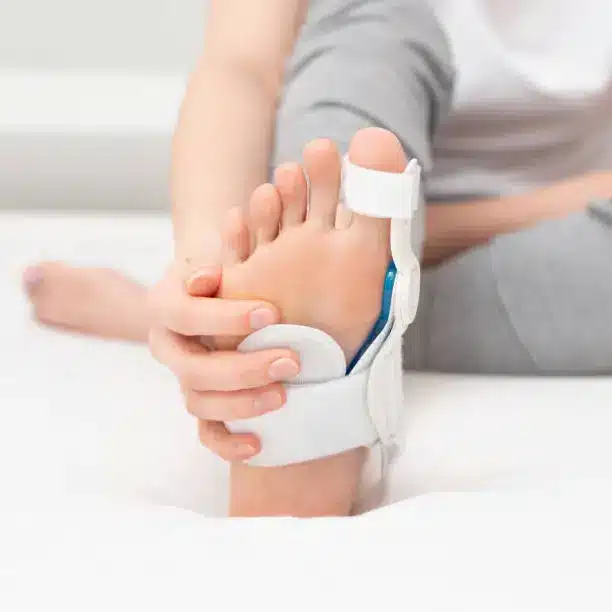


Bunion pain can make walking and wearing shoes difficult. When the big toe shifts inward and a bump forms at its base, the condition is called hallux valgus. Minimally Invasive Bunion Surgery corrects this deformity using small incisions and precise techniques.
This article explains how the procedure works and what recovery involves. At Best Foot Doctor NY in Brooklyn, NYC, we provide personalized minimally invasive bunion treatment. Schedule a consultation with our experienced NYC podiatrists whom patients trust to discuss your options.
What Is Minimally Invasive Bunion Surgery?
Minimally Invasive Bunion Surgery corrects hallux valgus using small incisions and precise tools. Through tiny openings, the surgeon realigns the bones and restores joint position.
What is minimally invasive bunion surgery? It is a type of foot deformity surgery that addresses the structural problem while minimizing soft-tissue disruption. The goal is to improve alignment and reduce pain.
Because it corrects the underlying misalignment, it treats more than just the visible bump. Bunion pain may come and go, but the deformity usually worsens without proper correction.
Is Minimally Invasive Surgery Right for You?
Understanding Hallux Valgus and Why Bunions Get Worse Over Time
Hallux valgus occurs when the big toe gradually shifts toward the second toe. As this happens, the joint at the base of the toe moves outward, creating the visible bump known as a bunion. According to the National Institutes of Health (NIH), hallux valgus is a progressive structural deformity that may worsen over time without proper management.
Several factors can contribute to this condition:
- Genetic foot structure
- Flat feet or unstable arches
- Tight or narrow footwear
- Abnormal walking patterns
As the deformity worsens, the joint can become stiff and painful, and shoes may feel tight. Orthotics and wider shoes may ease pressure, but do not fix the misalignment. If pain continues, hallux valgus surgery may be needed.
How Minimally Invasive Bunion Treatment Works
Minimally invasive bunion treatment uses small incisions to access the bone. Through these openings, the surgeon performs precise bone cuts to reposition the first metatarsal and realign the joint.
The procedure typically includes:
- Small incisions instead of one large incision
- Careful bone realignment
- Stabilization of the corrected position
- Minimal disruption to surrounding tissues
At Best Foot Doctor NY, advanced imaging guides precise correction and alignment. Each plan is customized to your foot structure. The procedure is outpatient, and most patients return home the same day with clear recovery instructions.
Minimally Invasive Bunion Surgery vs Traditional Foot Deformity Surgery
- Incision Size: Traditional foot deformity surgery uses a larger incision. Minimally Invasive Bunion Surgery uses small openings.
- Tissue Impact: Less soft tissue disruption with minimally invasive techniques.
- Pain and Swelling: Post-operative discomfort and swelling may be reduced compared to traditional surgery.
- Recovery: Designed to support earlier mobility, though healing time varies.
- Weight-Bearing: Many patients walk in a protective shoe soon after surgery.
- Scarring: Smaller incisions may result in less noticeable scars.
Who Is a Good Candidate for Bunion Correction?
A thorough evaluation by a podiatrist that NYC residents rely on is essential before deciding on surgery. Candidates may include:
- Patients with mild to moderate bunions
- Individuals with progressive hallux valgus
- Active professionals who spend long hours on their feet
- Patients seeking a surgical option with potentially less downtime
Not every bunion is suited for a minimally invasive technique. Severe deformities may require a different approach, confirmed through exam and imaging.
What to Expect During Bunion Correction | Brooklyn Podiatrist
The process begins with a detailed consultation. Your Brooklyn podiatrist will examine your foot, review imaging, and discuss your symptoms and goals.
On the day of surgery:
- The foot is prepared and numbed with appropriate anesthesia
- Small incisions are made
- The bone is carefully repositioned
- The corrected alignment is secured
The procedure length varies depending on the complexity of the deformity. Most patients return home the same day with a protective shoe and instructions for follow-up visits.
Post-operative appointments are important for monitoring healing and ensuring the bones remain properly aligned.
Recovery After Surgery for Hallux Valgus: What Patients Should Know
- The First Week: Elevate the foot and limit activity to control swelling. Wear a surgical shoe to protect the correction.
- Swelling and Healing: Swelling gradually improves over time as the bone heals.
- Returning to Work in NYC: Your return-to-work schedule depends on your job demands. Your podiatrist will guide you.
- Back to Normal Shoes: Transition to supportive, wide shoes as healing allows.
- Long-Term Alignment: Follow post-operative instructions and wear supportive footwear to maintain correction.
Benefits of Minimally Invasive Bunion Surgery
- Smaller incisions
- Reduced soft tissue disruption
- Potentially less post-operative swelling
- Earlier mobility in a protective shoe
- Outpatient procedure
- Personalized correction plan
- Structural realignment of the joint
While every surgical procedure carries risks, minimally invasive bunion surgery is designed to reduce unnecessary tissue trauma while correcting the deformity.
Onsite Foot Surgery: Faster Recovery Explained in NYC
When to See a NYC Podiatrist for Hallux Valgus Surgery
You should consider seeing a podiatrist NYC patients trust if you notice:
- Increasing bunion pain
- Redness or swelling at the joint
- Difficulty walking
- Shoes no longer fit comfortably
- Progressive deformity
- Conservative treatments no longer helping
Early evaluation can help determine whether non-surgical management remains appropriate or if surgical correction should be considered.
Why Choose a Brooklyn, NYC Podiatrist for Minimally Invasive Bunion Surgery?
Choosing an experienced Brooklyn podiatrist ensures that your condition is carefully evaluated and treated using modern techniques. A patient-centered approach includes:
- Thorough examination and imaging
- Clear explanation of treatment options
- Personalized surgical planning
- Structured follow-up care
At Best Foot Doctor NY, our Brooklyn team offers convenient access for post-operative visits and ongoing monitoring.
Schedule a Consultation for Minimally Invasive Bunion Surgery | NYC Podiatrist
Not all bunions require surgery. A professional evaluation will determine if Minimally Invasive Bunion Surgery is right for you. If bunion pain is affecting your daily life in Brooklyn, NYC, schedule a consultation with Best Foot Doctor NY. Our team provides advanced care across Brooklyn, Manhattan, and Queens.