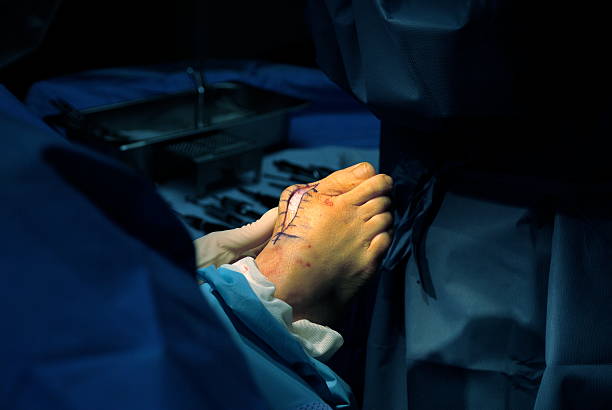
Minimally invasive foot surgery may help treat certain painful foot conditions through smaller incisions. But how does it work, and is it right for you? For NYC patients struggling with bunions, hammertoes, or ongoing foot pain, understanding the available treatments can make decisions easier.
This guide covers common procedures, recovery, benefits, risks, and who may qualify. If foot pain is affecting your daily routine, schedule a consultation with Best Foot Doctor NY to explore your treatment options in NYC.
What Is Minimally Invasive Foot Surgery?
Minimally invasive foot surgery treats certain foot problems through small incisions rather than the larger openings used in traditional surgery. Surgeons use specialized instruments to correct bone alignment, relieve pressure, or address damaged tissue.
Some procedures use real-time X-ray imaging to guide the instruments accurately. Because less surrounding tissue is disturbed, patients may experience smaller scars and less postoperative discomfort.
However, smaller incisions don’t necessarily mean a minor operation. The underlying bones and tissues still need time to heal. You can learn more about the techniques in this medical overview of minimally invasive surgery from FootCareMD.
Common Minimally Invasive Foot Surgery Procedures
Several minimally invasive foot surgery procedures can address painful deformities. The approach depends on the affected joint, the severity of the condition, and the correction required.
Minimally Invasive Bunion Surgery
bunion develops when the bones around the big toe joint move out of alignment, creating a noticeable bump. As the deformity progresses, wearing shoes or walking comfortably may become difficult.
During minimally invasive bunion surgery, a surgeon makes small incisions and uses specialized instruments to cut and reposition the affected bone. Real-time X-ray imaging may help guide the correction. Depending on the technique, small screws hold the bone in its corrected position while it heals.
The aim is to improve alignment and reduce the pressure causing discomfort. The specific surgical approach depends on the patient’s foot structure and condition.
Minimally Invasive Hammertoe Surgery
Hammertoes occur when a smaller toe bends abnormally at one of its joints. This can cause rubbing against shoes, painful corns, and difficulty walking.
Minimally invasive hammertoe surgery may involve releasing tight tendons through small incisions to help straighten the toe. When the deformity is more rigid, the surgeon may also need to remove or reshape a small portion of bone.
Flexible hammertoes may need less correction than toes that have become fixed in a bent position. Some procedures also require temporary or permanent fixation to maintain alignment during healing.
Best Foot Doctor NY offers hammertoe surgery in NYC, with treatment selected according to each patient’s needs.
What Is Minimally Invasive Foot Surgery Recovery Like?
Recovery from minimally invasive foot surgery varies depending on the procedure, the extent of correction needed, and your overall health. Even when the incisions are small, the bones still need time to heal. Understanding how bone healing works can help patients set realistic expectations during recovery.
Can You Walk After Surgery?
Some patients can walk with a protective surgical shoe or boot shortly after treatment. Others need crutches or temporary restrictions on how much weight they place on the affected foot.
Your surgeon will explain what is safe for your specific procedure.
When Can You Return to Work and Daily Activities?
Recovery may take several weeks or months, particularly when bone healing is involved. Swelling can continue even after the incisions have closed.
Returning to a desk job may be possible sooner than returning to work that requires prolonged standing. NYC patients should also consider subway stairs, commuting, and daily walking distances.
Following your surgeon’s instructions and attending follow-up visits are important parts of recovery. Read our foot surgery recovery tips for additional guidance.
What Are the Benefits and Risks of Minimally Invasive Foot Surgery?
The potential benefits and risks of minimally invasive foot surgery depend on the operation and the patient’s health.
Possible benefits include:
- Smaller incisions and less noticeable scarring.
- Less disruption to surrounding tissue.
- Reduced pain or swelling for some patients.
- Earlier protected movement after selected procedures.
Potential risks include infection, nerve irritation, stiffness, delayed healing, persistent discomfort, or the need for additional treatment.
Both minimally invasive and traditional surgery have advantages for different conditions. A traditional approach may offer better access for certain complex problems, while a minimally invasive technique may be suitable for others.
Consulting with your podiatrist can help you understand which surgical approach is appropriate for your foot condition, health, and treatment goals.
Am I a Candidate for Minimally Invasive Foot Surgery?
You may be a candidate if a bunion, hammertoe, or another correctable foot condition causes persistent pain or limits everyday activities.
Surgery may be considered when changes in footwear, custom orthotics, or other conservative treatments haven’t provided sufficient relief.
Your eligibility also depends on several factors:
- Foot structure: The type and severity of your deformity.
- Overall health: Circulation, diabetes management, and conditions affecting healing.
- Joint stability: Whether the affected bones and joints need additional support.
- Treatment history: Previous surgeries and your response to non-surgical care.
At Best Foot Doctor NY, a podiatrist can review your symptoms, examine your foot, and assess imaging when appropriate before discussing treatment options.
Speak With a Foot Surgeon in NYC About Your Options
A consultation with a foot surgeon in NYC can help you understand your diagnosis, available surgical techniques, and what recovery may involve.
Best Foot Doctor NY provides foot and ankle care across Brooklyn, Queens, and Manhattan. Our team can evaluate your condition, discuss minimally invasive procedures when appropriate, and explain other treatment options.
If ongoing foot pain affects your routine, schedule an appointment with Best Foot Doctor NY to discuss the next steps.